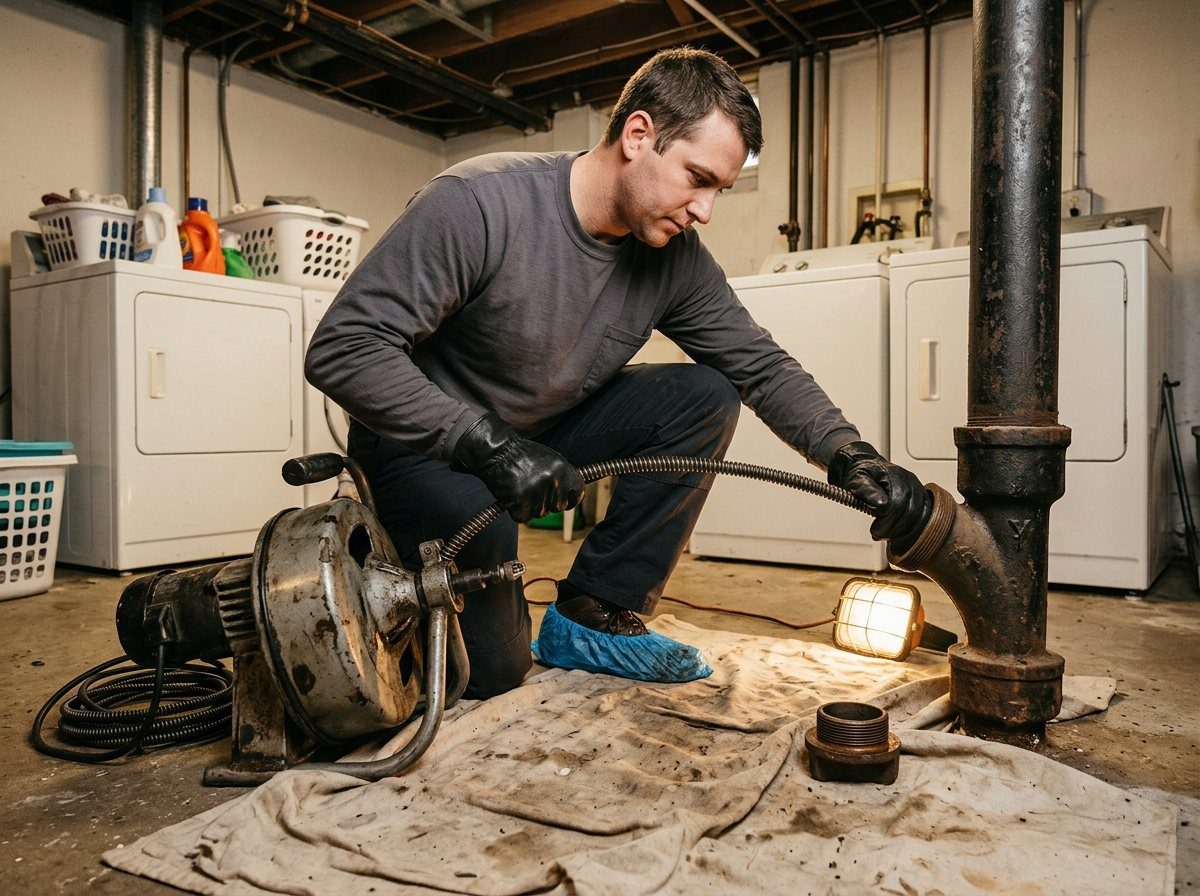
Kitchen Sink Drain Cleaning
Kitchen Sink Drain Clog Removal in Eau Claire
Get your kitchen drainage problem checked. Get a Free Estimate
Kitchen Sink Drain Cleaning
Get your kitchen drainage problem checked. Get a Free Estimate
A kitchen sink clog can make washing dishes, preparing meals, and cleaning up difficult. Sometimes the water drains slowly after a full sink is emptied. Other times, it stays in the basin or backs up into the other side of a double sink. Drain Cleaning Services Eau Claire helps customers address kitchen sink drainage problems in Eau Claire and surrounding Wisconsin communities.
Kitchen drains often collect a mixture of grease, cooking residue, soap, and small food particles. Even when these materials go down the drain with running water, they can settle along the pipe and gradually restrict flow. We look at the symptoms and drainage arrangement to determine where the restriction may be located and what kind of cleaning makes sense.
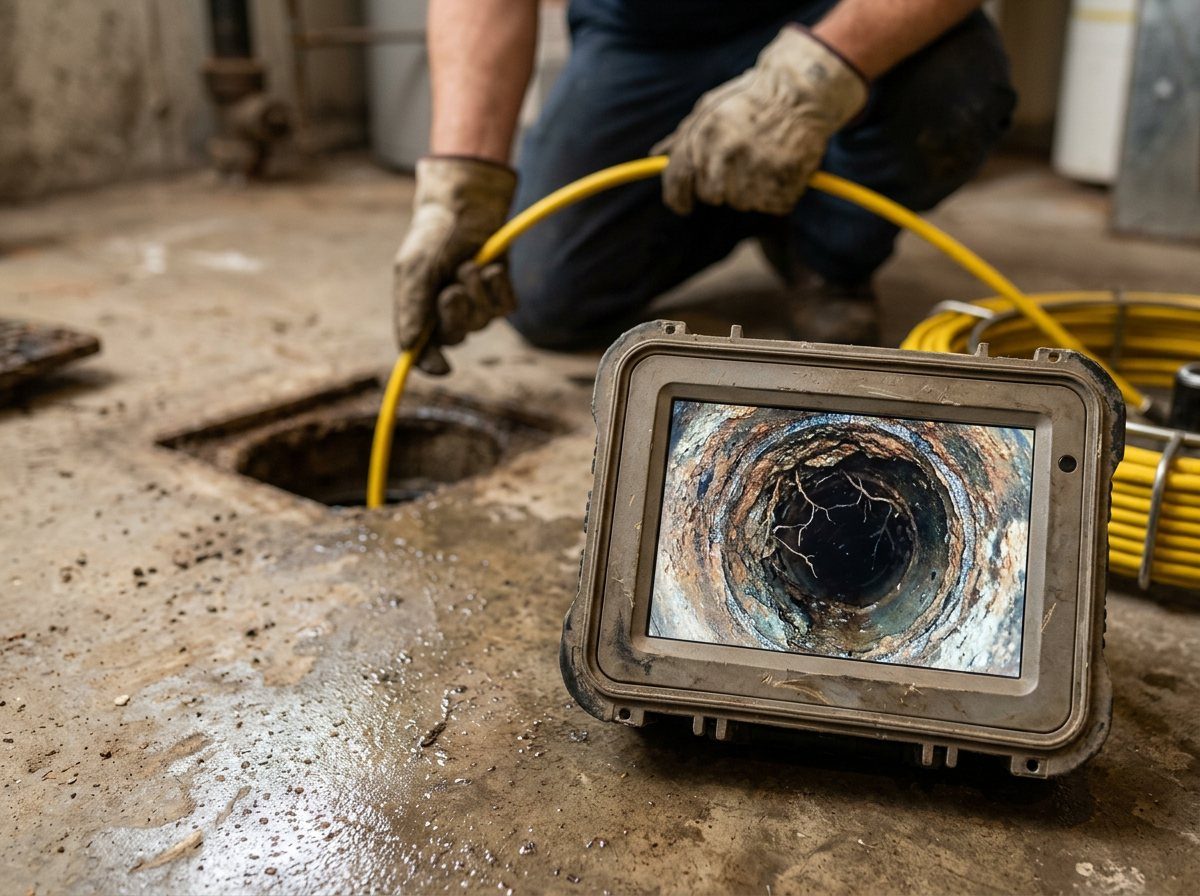
## Why Kitchen Drains Become Blocked Kitchen plumbing handles a different kind of waste than most bathroom drains. Cooking oils, greasy pans, food scraps, and dishwashing residue all contribute to buildup. Grease can coat the inside of the pipe and catch additional material over time. This can create a stubborn restriction that becomes noticeable only after the pipe is already partially blocked. Double-basin sinks can make the symptoms confusing. Water may move from one basin to another instead of leaving through the drain. A dishwasher connected to the kitchen drainage system may also reveal an existing restriction. These symptoms need to be considered together rather than treated as separate problems. ## What Not to Do With a Clogged Kitchen Sink Avoid pouring boiling water into unknown or vulnerable plumbing materials. Do not continue using the garbage disposal if the sink is backed up. Repeatedly operating a disposal against a blockage may not clear the drain and could create another problem. Chemical cleaners are not a reliable solution for every kitchen clog and can create hazards if they remain trapped in standing water. Never mix cleaning products. Let us know if a drain chemical has already been used. ## Clearing the Line and Checking the Result Depending on the setup, kitchen drain cleaning may involve an accessible trap or a restriction farther into the branch line. We consider where water begins to back up, whether other fixtures are affected, and whether the same problem has occurred previously. After cleaning, the drain should be assessed for improved flow where testing is practical. If the sink continues to drain poorly, the problem may involve additional buildup, pipe configuration, or a restriction beyond the initial cleaning area.
Grease can build up along the pipe and trap food particles. Wiping oily cookware before washing and putting cooled grease in the trash can reduce future accumulation.
When one basin fills as the other empties, the problem may be within the shared drainage piping. Understanding how the basins connect helps identify an appropriate access point.
A garbage disposal cannot prevent every clog. Fibrous scraps, grease, and accumulated residue can restrict the connected drain, even when the disposal itself operates normally.
If dishwasher discharge causes water to appear in the sink, the kitchen drainage connection may be restricted. The exact cause depends on the installation and which section of piping is affected.
A recurring clog may indicate that buildup remains farther inside the line or that another condition is affecting drainage. We consider the history before recommending further investigation.
We consider grease, food residue, disposal connections, and dishwasher drainage when evaluating a kitchen sink clog.
We look beyond the visible sink opening when symptoms suggest the restriction may be deeper in the branch.
The sink cabinet, fittings, and surrounding work area deserve careful handling during drain service.
We explain practical habits that can reduce grease and food buildup without promising that maintenance will prevent every clog.

Tell us whether your kitchen sink is slow, completely blocked, or backing up into another fixture.
Free — no obligations
We ask whether the sink drains slowly, holds standing water, or backs up during dishwasher use.
We consider the trap, disposal connection, branch line, and accessible cleaning points.
An appropriate cleaning method is selected based on the location and nature of the blockage.
We evaluate whether the sink drains more normally after cleaning, where conditions allow.
We discuss reducing grease, food scraps, and other common contributors to kitchen clogs.